

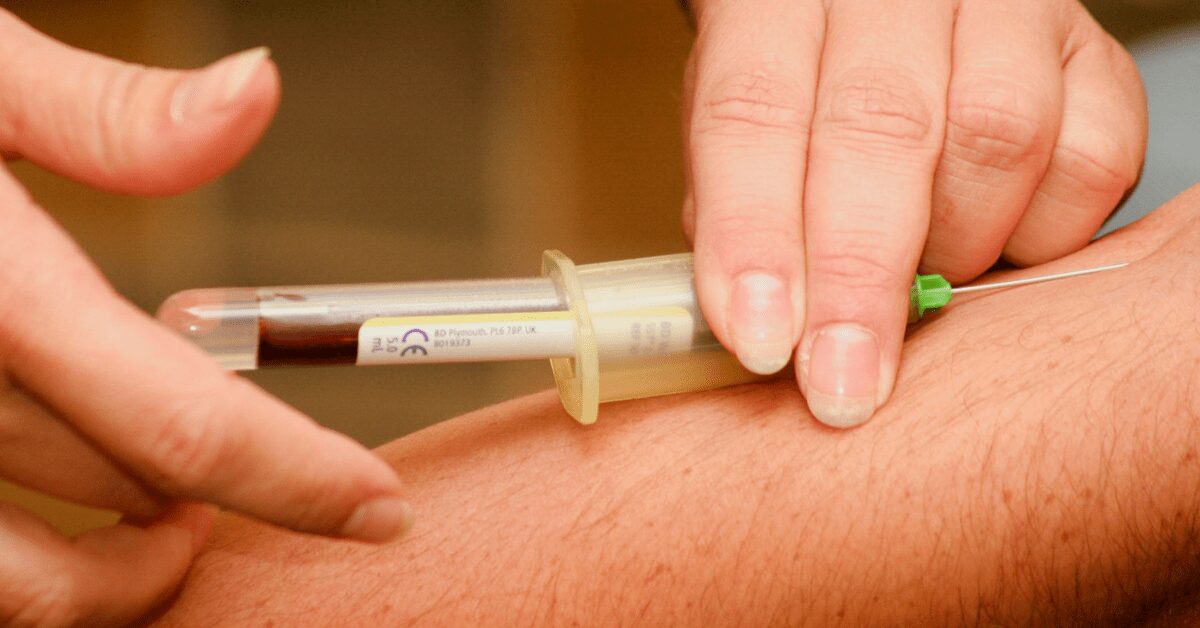
Blood tests are common medical tests. You may have a blood test as part of a routine physical examination or because you have certain symptoms.
There are many different blood tests. Some tests focus on your blood cells and platelets while some evaluate substances in your blood such as electrolytes, proteins and hormones. Others measure certain minerals in your blood.
Regardless of why you’re having a blood test, it’s important to remember that blood tests help private general practitioner diagnose health issues. But blood test results aren’t diagnosed. An abnormal blood test result may not mean you have a serious medical condition.
When would I need to have a blood test?
Your blood plays a big role in your overall health and contains a lot of information about what may be going on in your body. That’s one reason why blood tests are a common medical test. A healthcare provider may do a blood test because:
Time For Regular Checkup
During a checkup, your provider may order blood tests to check on your overall health. They may order a blood test that evaluates many parts of your blood, such as a complete blood count (CBC), basic metabolic panel(BMP) or a comprehensive metabolic panel.
Screening Tests
Screening tests are done before you have any symptoms. They may recommend screening tests if you’re at risk of developing certain conditions, such as cancer. For example, if you’re at risk for developing coronary artery disease, your healthcare provider may order several blood tests to evaluate that risk.
You Have Certain Symptoms
If you have specific symptoms, your provider may order blood tests to determine what’s causing them. For example, if you have symptoms that may be signs you’re pregnant, your provider will do a pregnancy test. The blood test looks for a specific hormone your body only ever makes when you’re pregnant.
Certain Condition
You have a medical condition that happens when certain genes change (mutate).Depending on your situation, your blood cells and platelets may show information about the specific changes. Understanding which genes changed may help your provider plan your treatment.
Results of a Treatment
You’re receiving treatment for a medical condition. Your provider may use regular blood tests to see if treatment is working.
Genetic Mutation
You may have inherited certain genetic mutations that cause medical conditions. Your provider may take blood samples for genetic analysis so you know if you’re at risk of developing a specific condition.
What do blood tests show?
In a broad sense, a blood test shows changes in your body. Blood test results don’t show a complete picture. Instead, they’re a kind of snapshot. After seeing that snapshot, your provider may do other blood tests to get a closer view. Here’s a glimpse of what your healthcare provider may see with blood tests:
- The tests show if your blood is working as it should. For example, your red blood cellscarry oxygen throughout your body. A blood test may show you have low red blood cell levels (anemia). If healthcare providers look at your cells under a microscope, they may see your red blood cells are larger than normal or shaped differently than normal red blood cells. These differences may be signs of blood disorders or blood cancers.
- They show if you have normal levels of enzymes and electrolytes. Enzymes are proteins that help speed up the chemical reactions that build up and break down substances in your body. Electrolytes do several things, such as helping your body regulate chemical reactions and maintaining the balance between fluids inside and outside your cells.
Results and Follow-Up
If you question when will I know my test results? That depends on the blood test and your provider’s preferences. Your provider likely will explain how you’ll receive results. Some blood test results are available within a few hours. Others, like genetic test results, typically take longer.
Some private clinic offer same day blood test report online access to test results. But your provider may prefer to discuss your results in a telephone conversation or in person.
What do my results mean?
Here are a few things to look for after getting the tests done:
Positive vs. Negative
Some lab tests answer yes-or-no questions like whether you’re pregnant or have certain kinds of infections. These results are usually written as “positive” or “negative.” In this case, positive doesn’t necessarily mean “good” and negative doesn’t necessarily mean “bad.” Instead:
Read More: How To Read Blood Test Results
Positive:
The lab found whatever your doctor was testing for. So if you had a test for strep throat, testing positive means you do have strep throat.
Read More: 5 Reasons Why Your Doctor Wants to See You After a Blood Test
Negative:
The lab didn’t find whatever you were tested for. A negative result for strep throat means that the lab didn’t find any strep bacteria in the sample, so you probably don’t have it.
Sometimes, the result might be “inconclusive.” That means the lab doesn’t have a clear yes or no answer based on your sample. Your doctor may want you to do the test again or have another kind of test.
In short, a positive on a test result means the doubt of your doctor is true and you have a certain disease.